
Peter Owen Publisher
To understand the enduring legacy of Peter Owen Publishers, it is first important to look at the remarkable life of its founder, Peter Douglas Owen. Peter Offenstadt was born in Nuremberg, Germany, in 1927, and his early life was regrettably marked by the rise of Nazism. At the age of six, he and his family were forced to flee his homeland, seeking refuge in London in 1933. That formative, extreme experience of displacement and survival undoubtedly shaped his worldview, instilling in him an unshakeable compassion for the outsider and a profound affection for diverse cultures. This legacy would one day become the cornerstone of his publishing philosophy.
Having learned the trade within the industry, enterprising Peter Owen took the plunge and set up on his own account in 1951. At just 24 years old, he founded what was to become one of Britain’s most well-regarded independent publishing companies, a move as bold as it was courageous. He was not only starting a company, but he was giving voice to the voiceless and the marginalized, building a house for precisely the sorts of stories that defined his own life.
About the Peter Owen Publishers
The Audacious Philosophy of Peter Owen Publishers
For over six decades, Peter Owen Publishers existed as a testament to a philosophy that defied the commercial mainstream. The press was never bothered with keeping up with the trends or publishing the bestseller guaranteed-hits; the press was concerned with the art of literature. Peter Owen edited on the simple but revolutionary principle of publishing “writing marginally off the mainstream.” This editorial philosophy encouraged him to champion voices commonly neglected by better-known, risk-averse publishing companies. His list was a sanctuary for the experimental, avant-garde, and highly personal.
At the heart of this philosophy was his steadfast commitment to translated writing. Owen believed in the power of literature to bridge boundaries and bring together cultures. He introduced an incredible array of foreign writers to the English-speaking world, a daring step in a time when foreign literature was not so widely accepted.
Perhaps the most famous example of his vision was when he purchased the rights to Hermann Hesse’s Siddhartha early in his professional life. When Hesse was not yet well known in Britain, Owen appreciated the novel’s profound spiritual depth and literary merit. It became one of the press’s first major successes, and its enduring popularity was a powerful proof of his argument that genuinely great books, wherever they may be from, will be read. This iconoclastic strategy defined the publisher, so that Peter Owen Publishers were an unusual and important force in literary life.

Four Essential Books from Peter Owen Publishers
Throughout its life, Peter Owen Publishers introduced a huge body of innovative literature to the English-speaking public. Although the whole backlist testifies to Peter Owen’s innovative tastes, four books are particularly characteristic of the press’s pioneering and innovative strategy.
Siddhartha
Hermann Hesse
Bought cheaply and published in 1954, the book quickly became one of the press’s first commercial and critical successes. A metaphysical novel concerning a young man’s religious search during the time of the Buddha, Siddhartha deeply moved people and was a cult book. Its enduring popularity confirmed Peter Owen’s belief that a compelling story, whatever its origin or initial lack of popularity, would find a market.

The Ice Palace
Tarjei Vesaas
Of all the books he was proudest to have published, Peter Owen most often quoted this masterpiece. This haunting and powerful novel, described by the Norwegian Nobel prizewinner, is the tale of two teenage girls’ relationship, which is irrevocably destroyed by tragedy. It’s a testament to the resolve of Owen to publish fine, translated literary fiction in translation from beyond the anglophone world to a Britain out of which it seemed to be vanishing, showing his keen eye for talent and his commitment to introducing foreign voices to Britain.

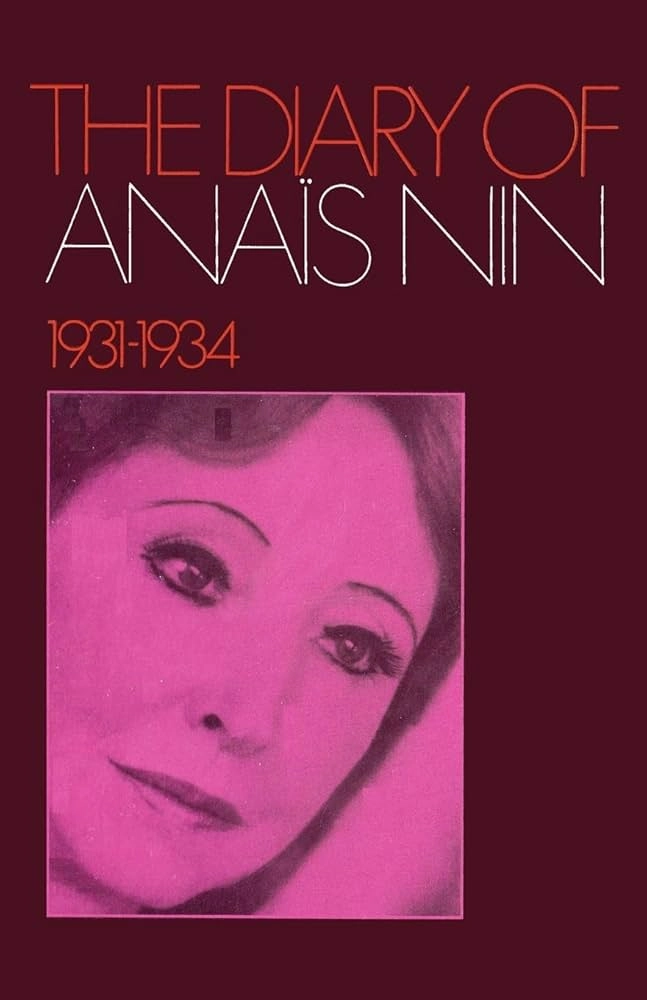
The Diary of Anaïs Nin
Peter Owen Publishers first issued the full, unexpurgated volumes of Anaïs Nin’s diaries in the 1960s. This landmark series of books established Nin as a literary icon and feminist pioneer, leaving us with an intimate and unflinching view of her life and affairs with some of the 20th century’s greatest artists. Publishing those works was a risky move that was a stand against censorship and that validated the image of the press for supporting actual, alternative voices.
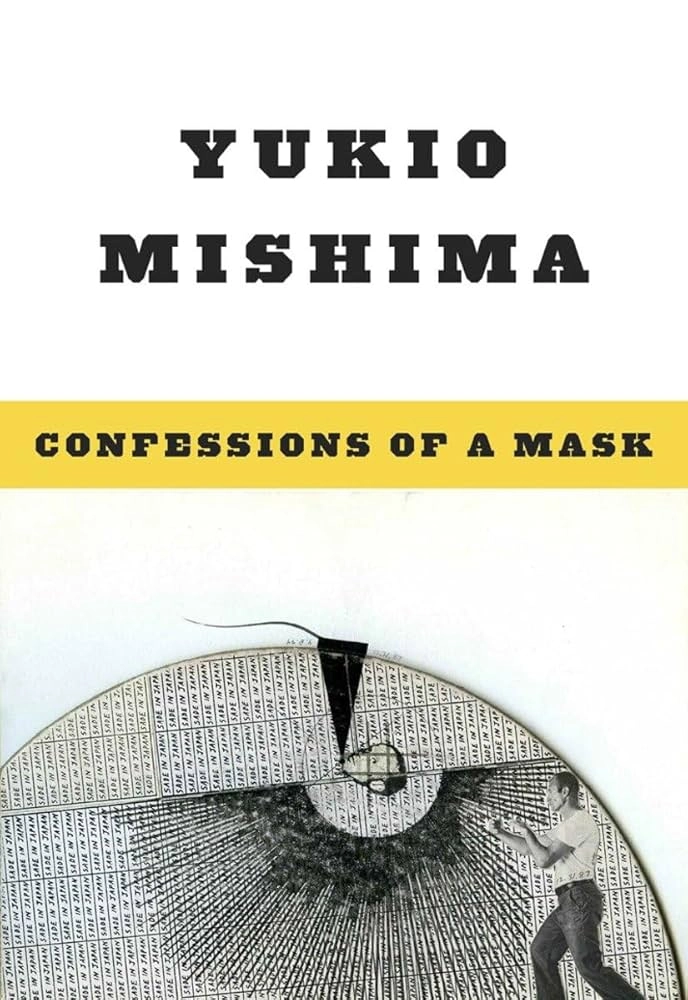
Confessions of a Mask
Yukio Mishima
Being one of the initial supporters of Japanese literature in the West, Peter Owen introduced many readers to the novels of Yukio Mishima. Confessions of a Mask, an auto-biographical novel detailing a young man’s struggle with his homosexual identity and his fixations with death, was a polemical and powerful novel. Its publication showcased Owen’s bravery to present themes and narratives much outside the mainstream and solidified his place as a fundamental link between East and West.

The most powerful authors
A Pantheon of Literary Greats
The most certain sign of Peter Owen’s vision is the phenomenal list of authors he brought to the attention of the English-speaking world. His company was a refuge for some of the twentieth century’s most innovative and challenging literary voices, and his list is a who’s who of world literature. He had a form of clairvoyance in recognizing talent and significance years before the mainstream, often publishing authors who were to win international acclaim.
His roll call includes an astonishing array of Nobel winners like Hermann Hesse and Shusaku Endo whose books became foundational reading for a generation of readers. Beyond these legends, Owen’s roll call includes a treasure chest of courageous writers who lived beyond conformity. He courageously published Anaïs Nin’s candid diaries and Henry Miller’s provocative books, standing up for their art when they were off-limits. He was also behind introducing Japanese masters like Yukio Mishima, whose profoundly and unsettlingly engrossing novels found a dedicated reader through the publishing house. All this was built on his track record of meticulously curated genius to make Peter Owen the publisher of lasting significance.

End of an era for independent publishing
The End of an Era, The Start of a Legacy
With the passing of Peter Owen in 2016, an era of independent publishing came to an end. For over six decades, he had been a relentless champion of literary quality, an iconoclast who proved that it was possible for a publisher to be inspired by love of art and not profit. His work enriched the literary landscape immeasurably, providing a platform for those who eschewed convention and broadening the reach of English-language readers.
In 2023, the publishing house had a new home with Pushkin Press, a fitting continuation of Owen’s ethos and a tribute to the enduring value of his list. His legacy is not just in the books he published, but in the cultural bridges he built and the doughty new worlds he opened up to his readers. In an age of takeover, the heretical independence of Peter Owen Publishers will forever be an unbeatable source of inspiration for what one visionary dream can achieve. Essay writing services that do your assignment DoMyEssay give students dependable help by producing essays that meet academic standards and are completely free of plagiarism. Academic support services https://payresearchpaper.com/ deliver original written work designed to match the specific expectations of professors and institutions.
